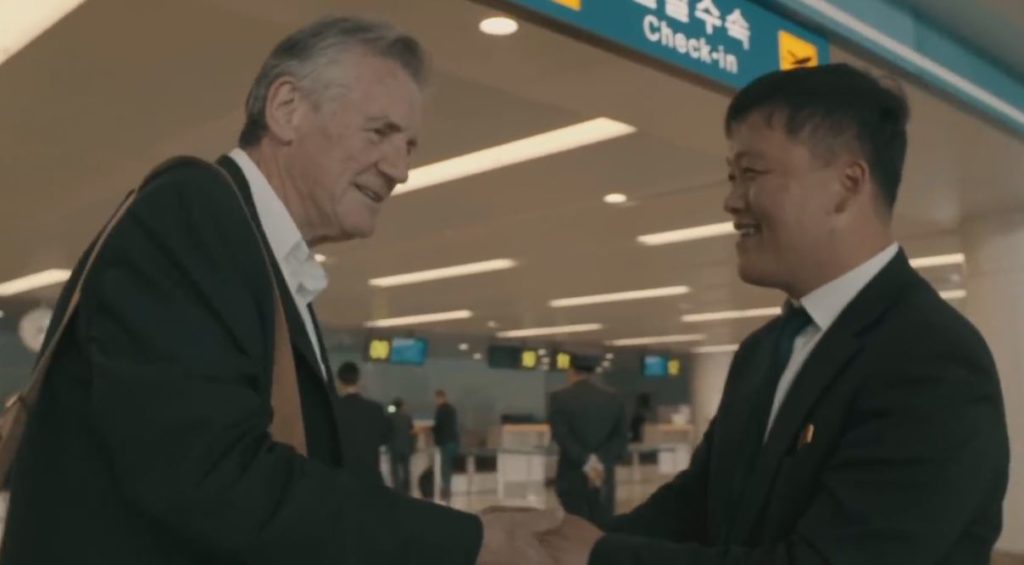
*Michael Palin in North Korea, Screenshot courtesy of YouTube
By Gabe Segoine
In the fall of 2018, National Geographic Channel aired a new special on North Korea. After a reported three years of negotiating the terms of the trip, Michael Palin—of Monty Python fame—traveled to the Democratic People’s Republic of Korea (DPRK), otherwise known as North Korea.
His tour began in the capital, Pyongyang, and followed the typical itinerary experienced by most visitors. The notable exception was his timing: he arrived during the May Day celebrations and was able to participate in the festivities.
One particular scene during that segment stood out to me. In what appeared to be a tender and unscripted moment, an elderly North Korean man approached Mr. Palin and placed a handmade wreath on his head. Moments later, the man was grabbed by a woman and escorted away—presumably for getting too close to a foreigner.
“North Korea is everything we think it is, and yet nothing like we think it is.”
The gesture was striking. It didn’t fit the usual narrative about how North Koreans supposedly interact with outsiders. The man clearly wanted to express kindness. He had crafted something with his hands and, likely lacking language skills to communicate more directly, gave what he could. And yet, the woman’s swift intervention reinforced what we do expect—that the system discourages unsanctioned contact with foreigners.
At its heart, this was a moment of person-to-person connection. In my own experience—having made nineteen trips to North Korea—I’ve found moments like these not to be rare, especially when one enters the country with the intention of treating North Koreans not as enemies but as fellow human beings.
Yes, the country remains closed in many ways, as the woman’s reaction illustrated. But even small acts of kindness and openness can make a difference. If we hope for North Korea to become more open to the world, then these interactions—however small—matter.
The DMZ and a Difference in Perspective
After his time in Pyongyang, Michael Palin traveled to the DMZ. His team captured a fair amount of footage on the road, but seemingly little of life outside the capital. That was a shame, as the contrast between Pyongyang and the countryside is significant.
As Michael Palin in North Korea found out, Pyongyang is a bustling city, while life in the countryside is far simpler—and for many, more difficult.
As a non-journalist, I’ve found that taking photos and videos outside Pyongyang is usually possible, as long as we avoid filming “sensitive” subjects like poverty or military assets. Countryside life, as seen from a bus window, generally isn’t off-limits for non-journalists.
But for journalists, the trust gap remains wide, which limits their ability to portray life beyond the capital. That’s unfortunate, because it prevents a more accurate and complete picture from reaching the outside world. I hope this gap narrows with time.
A Conversation at the Border
Palin had previously visited the DMZ from the South in 1996. On that trip, he’d expressed a wish to one day visit from the North—a dream finally realized in this special.
But the visit wasn’t without tension. He described the DMZ as a “massive failure of diplomacy,” and that sentiment was reflected in a moment of pointed dialogue with a North Korean military guide.
Palin questioned how the North could claim they “won” the Korean War. It reminded me of a similar conversation I witnessed in 2013 when I visited the DMZ with my family. Another visitor—an Australian—asked the same question.
The answer, in both cases, was identical: since the North views itself as having been attacked, its ability to resist foreign takeover qualifies as a victory.
These exchanges give us insight into the North Korean worldview. When asked why they maintain a nuclear program, officials and citizens alike respond, “for self-defense.” In their view, North Korea is under constant threat of invasion.
Whether or not we agree, we must understand this mindset if we want meaningful dialogue.
“We can understand each other by meeting, talking, and sharing our experiences, rather than fighting.”
—Michael Palin
Palin pressed his guide on the nuclear issue but did so respectfully. In contrast, the Australian I observed in 2013 pushed too hard, escalating the conversation. Palin, however, defused tension with a gracious statement. The soldier responded warmly, expressing shared hopes for peace.
Familiar Faces and Natural Beauty
In Wonsan, Palin visited the newly renovated Kalma Airport and the Cheonsam Cooperative Farm. I especially appreciated the farm segment because he met with Mrs. Kim Hyan-whee—a familiar face.
During my 2012 trip with Waves for Water, Mrs. Kim was trained on using our group’s water filtration systems. We also visited her home, though she didn’t feed us lunch as she did for Mr. Palin (which I was slightly jealous of!). Remarkably, she looked almost exactly the same six years later.
From Wonsan, Palin traveled to the Geumgang Mountains (Diamond Mountain). He commented on a newfound sense of freedom there, which I completely understand. The area’s natural beauty and less rigid structure give visitors a rare feeling of space and personal autonomy.
Truth, Patriotism, and Change
While picnicking, Palin asked his guide about differences between British and North Korean life, especially regarding freedom to criticize leaders. Her reply was predictable: criticizing leaders would be like criticizing oneself, because they represent the people.
That answer might sound rehearsed, especially on camera, but I think there’s more to it.
In many unscripted, off-camera conversations I’ve had with guides and locals, their answers on politics have been largely the same. It’s not just the “official line” out of fear—it often reflects genuine belief.
After decades of ideological education, respect for government is deeply internalized. Even without a camera present, most responses are unwaveringly patriotic.
That’s not to say every individual feels exactly the same, or that dissent doesn’t exist. But in my observation, nationalism is deeply rooted. Understanding this is crucial if we want to engage with the people in a meaningful way.
Palin ended the conversation by saying he respected his guide’s beliefs and wouldn’t try to change them. He was right. Real change can only come from within. We can offer glimpses of the outside world, but transformation must be homegrown.
A Propaganda-Free Takeaway?
Early in the documentary, Palin said he felt the propaganda was “seeping into his soul.” Some critics argue that any positive impressions of North Korea are just the result of stage-managed propaganda.
And yes, the North does present its best face to visitors. But here’s the nuance: what visitors see—clean streets, busy people, smiling children—is often real. It may not be the full picture, but it’s not entirely fabricated either.
Having visited off-the-beaten-path areas through my NGO work, I can confirm that daily life in many rural areas mirrors what one sees on official tours. Life isn’t easy, but the dignity and humanity of the people are real.
So—did the propaganda “work” on Michael Palin? Perhaps. But not because it tricked him. Rather, it allowed him to see something he hadn’t expected: ordinary people living ordinary lives in a country we tend to view as monolithic.
Final Thoughts
This brings us to the most important question: how do we view the North Korean people? Do we see them as individuals, or do we conflate them with their government?
By the end of his trip, Michael Palin had made the distinction. He saw them as people—parents, workers, students—just like us. That shift matters.
Palin concluded that North Korea is at a crossroads. He hoped the country would choose a more open future, and he was glad to have visited before it possibly became “just like everywhere else.”
If and when that day comes, the benefits will extend not only to North Koreans, but to all Koreans—and, I believe, to the world.
Watch the Special
If you haven’t seen the special of Michael Palin in North Korea, I highly recommend it. You might still find it on the National Geographic Channel’s website or on YouTube.
—
Gabe Segoine
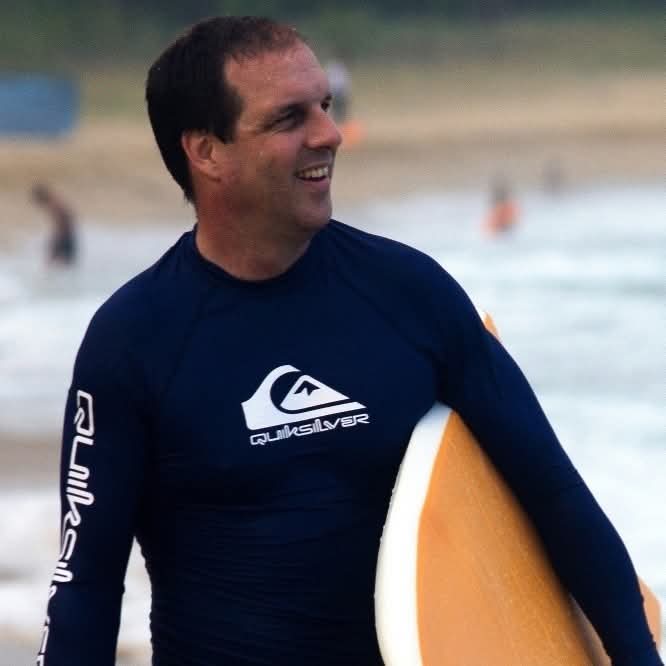
Gabe Segoine is the founder of LNKM and author of Surfing North Korea. He spent over a decade in Northeast Asia doing humanitarian work focused on the DPRK. Gabe now writes about culture, faith, and emerging AI from a deeply human perspective. His book Surfing North Korea and Other Stories from Inside can be found on Amazon.